
Scroll

Receive grounded insights, practical tools, and updates on upcoming classes, workshops, and subconscious mind trainings designed to support emotional healing, nervous system regulation, and lasting personal transformation.
Join the newsletter below to stay connected.

Emotional Trauma Patterns
Archive Blog

Most women don't consciously choose to feel guilty while they're resting.
In fact, many are frustrated by it.
They know they deserve a break. They know everyone needs time to recharge. They've read the books about self-care and understand the importance of slowing down.
Yet none of that changes the feeling.
That's because guilt isn't always created by logic.

If you've tried doing less but always find yourself slipping back into old habits, you're not lacking discipline.
Your subconscious may simply believe that being needed is connected to being safe, loved, or valuable.
Those beliefs usually aren't conscious.

You've probably heard people say, "You just need stronger boundaries."
There's truth in that, but it's only part of the picture.
If saying no still feels emotionally unsafe, no amount of boundary scripts will completely solve the problem.

Most adult anger isn’t about what’s happening now.
It feels like it is. The conversation is current. The relationship is current. The stress is current.
But the intensity often isn’t.
When something small produces a reaction that feels disproportionate, that’s usually a clue. Not that you’re dramatic. Not that you lack control. But that something older has been activated.

There’s a very specific kind of frustration that only intelligent women experience.
You understand your patterns.
You know where they came from.
You can explain your attachment style.
You’ve read the books.
You’ve done therapy.
And yet when something hits the right nerve, you still react.

There’s a particular kind of regret that only shows up after the room has gone quiet.
You’ve said the thing. Or your tone shifted. Or you shut down harder than you meant to. And later, when you replay it, you can see clearly that it didn’t require that level of intensity. You weren’t trying to be sharp. You weren’t trying to escalate. And yet something in you reacted before you had time to choose.

Many of us grew up learning that anger was dangerous, disrespectful, or shameful. Especially if you were raised in a home where big feelings weren’t allowed, your nervous system may have learned to shut anger down fast.
You were taught to behave.
To be nice.
To be quiet.
To keep the peace.
But over time, all that unspoken anger has to go somewhere.
It doesn’t disappear.
It hides in your body.
It seeps into your relationships.
And it sabotages the very peace you’re trying to protect.
Are you ready to tap into your inner strength and overcome what's holding you back?
If healing and self-love have felt just out of reach, why not take a powerful step forward with our Learn to Love Yourself FIRST class? Discover transformative mind-training techniques that help release old wounds and embrace your true, empowered self.
Join us and start your journey to inner peace and self-love today!
Burnout, Freeze & Productivity Blocks
Archive Blog

Work is going well. Your kids are okay. Nothing is falling apart, and you finally have a weekend without a long list demanding your attention. Instead of enjoying it, you start wondering what you're forgetting.
You check your calendar. You remember your son seemed a little quiet yesterday and wonder if something is going on. You haven't heard from a friend in a few days. Maybe you should take another look at your finances.
Nothing has actually happened, but suddenly your peaceful Saturday morning has three potential problems in it.

You remember something you said and wonder how it sounded. You think about their expression when you said it. Maybe there was a pause you didn't notice at the time, but now you're wondering what it meant. Before long, you're editing a conversation that's already over and preparing explanations for a problem that may not even exist.

You finally make it through.
The move is over.
The divorce is finalized.
The project is finished.
Your child is doing better.
Life settles down...
...but you don't.
Most people assume that once the problem is gone, the feeling should disappear with it.
Sometimes it does.
Sometimes it doesn't.

I hear it all the time.
"I love what I do."
They're not looking for a new career. They're not counting the days until retirement. They aren't miserable every Monday morning.
In many ways, they're exactly where they want to be.
So why are they exhausted?

I've started noticing something.
A woman finally gets the break she's been needing. The project is finished. The house is quiet. Her calendar finally has some space in it. She sleeps a little longer, drinks her coffee while it's still hot, and for the first time in weeks, there's nowhere she has to be.
Then Sunday afternoon arrives, and something still feels... on.
Not anxious.
Not overwhelmed.
Just not settled.
It's subtle enough that most women don't even know how to describe it. They simply assume they need more rest.
I'm not convinced that's always true.

"I've always been the strong one."
Women say it so casually that I don't think they hear themselves anymore.
Sometimes they laugh when they say it. Sometimes they shrug. It's almost presented like a personality trait, as if being the strong one is simply who they are.
But I usually find myself wondering something else.
Who decided they had to be?

You can finish everything on your list and still feel mentally active. There’s no immediate problem, but your attention keeps moving. Thinking ahead, reviewing, anticipating.
It doesn’t always feel like anxiety. Sometimes it just feels like you can’t fully switch off.

There’s a certain kind of burnout that doesn’t come from doing too much. It comes from feeling like too much is yours to handle. Even when no one is asking, you notice what needs attention and step in before anything slips.
It can look like capability from the outside. You’re reliable, thoughtful, and aware of what’s going on around you. But internally, it creates a steady pressure that doesn’t leave much room to fully rest.

If self-care isn’t fixing your burnout, the issue may be deeper than rest. This blog explains why—and what actually changes it.

What Changes When the Pattern Shifts
You don’t wake up suddenly “fixed.”
You just stop forcing yourself the same way.
Things that used to feel heavy… don’t.
Decisions feel clearer.
Your energy feels steadier.
You’re not constantly negotiating with yourself just to get through the day.
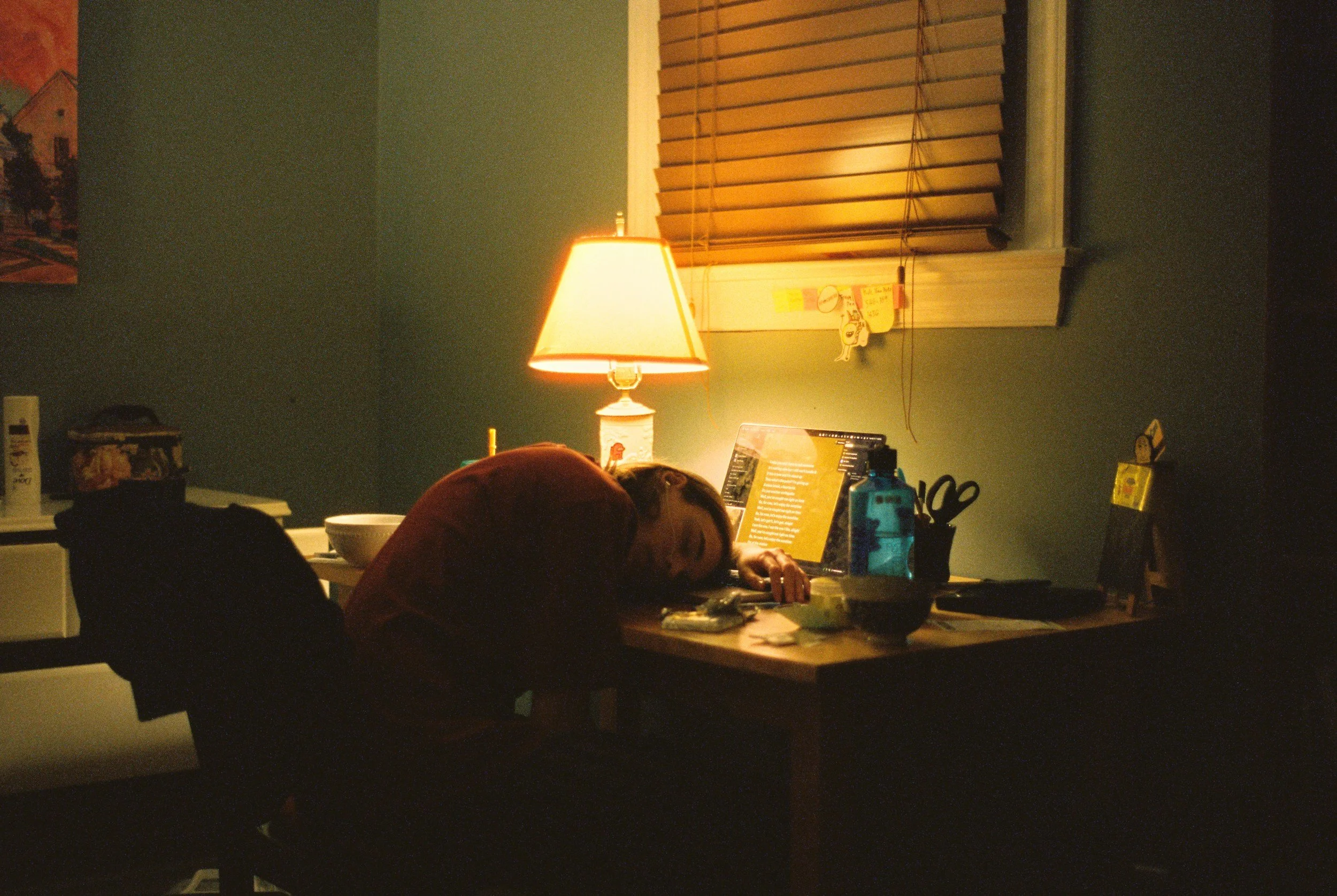
Most people think they understand burnout.
They describe it as:
exhaustion
overwhelm
doing too much
And while all of that is true…
It’s incomplete.
Because burnout isn’t just about what you’re doing.
It’s about how you’ve learned to operate under pressure.

here’s a specific kind of frustration that comes with burnout.
It’s not just that you’re tired.
It’s that you’ve actually tried to fix it.
You’ve taken time off.
You’ve slowed down.
You’ve told yourself, this weekend I’m really going to reset.

Burnout doesn’t feel like chaos at first.
It feels like over-functioning.
You’re still showing up.
Still getting things done.
Still holding everything together.
But underneath that…
There’s a quiet exhaustion that doesn’t go away.

By the time most women reach out to me, they’ve already decided something about themselves.
They think they have an anger issue.
Or a control issue.
Or a sensitivity issue.
They’ve tried to manage it. They’ve promised themselves they would stay calmer next time. They’ve replayed conversations and dissected tone and timing.

Procrastination is usually framed as avoidance.
A lack of discipline.
A motivation problem.
Something to push through or fix.
But that explanation rarely matches how procrastination actually feels.
Most women I talk to do want to move forward. They care deeply. They think about the thing they’re avoiding more than they want to admit. And still—something inside won’t move.
What if procrastination isn’t avoidance at all?
What if it’s protection?
Are you ready to tap into your inner strength and overcome what's holding you back?
If procrastination has been your hurdle, why not take a powerful step forward with our How To Master Your Subconscious Mind class? Learn mind-training techniques to replace old habits with a new, purposeful drive.
Join us and transform your journey today!
Subconscious Reprogramming & Trauma Release
Archive Blog
By the time most women reach out to me, they’ve already decided something about themselves.
They think they have an anger issue.
Or a control issue.
Or a sensitivity issue.
They’ve tried to manage it. They’ve promised themselves they would stay calmer next time. They’ve replayed conversations and dissected tone and timing.
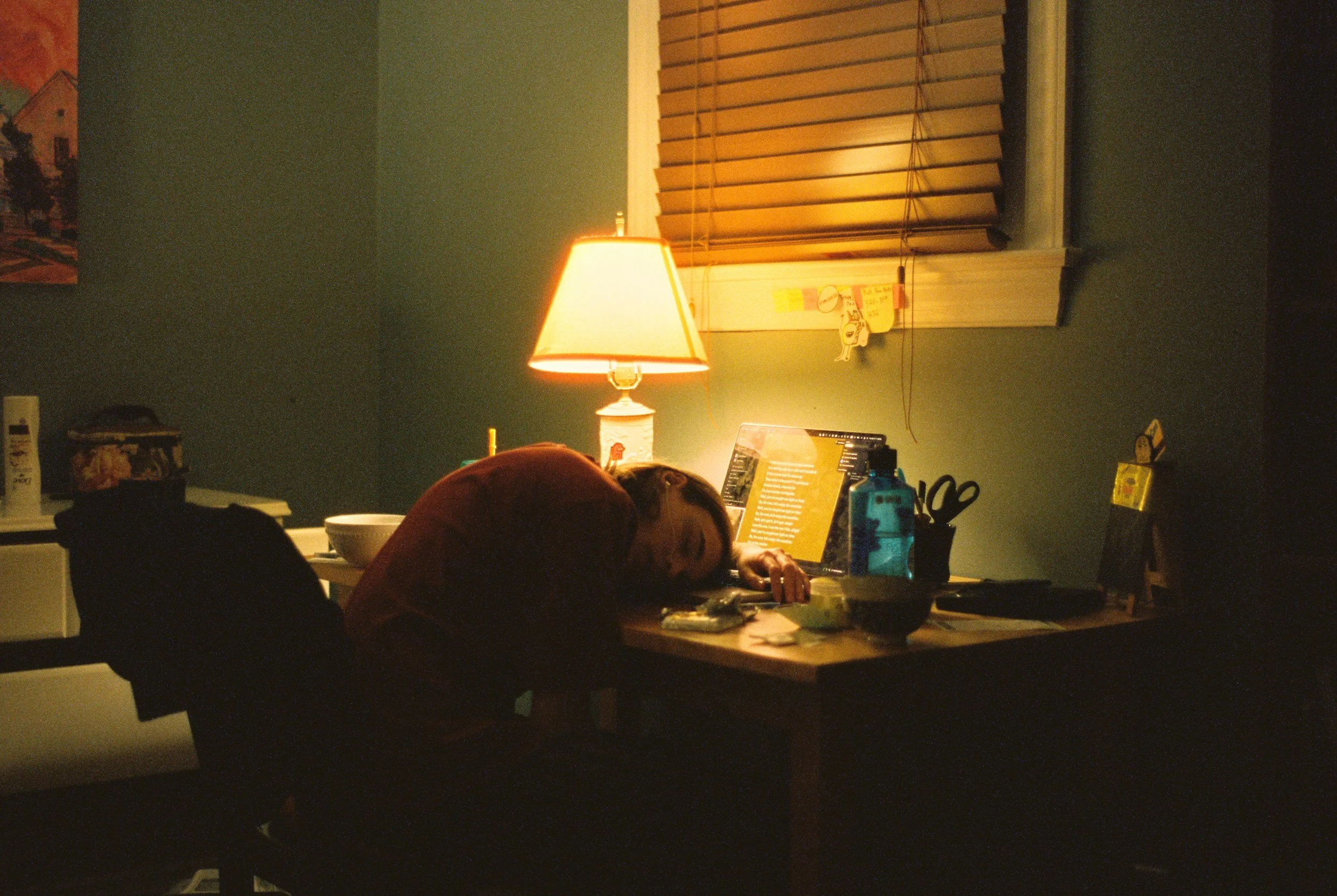
Many women assume motivation disappears because they’ve lost discipline.
They know what they want to do.
They even care about it.
But something inside won’t move.
What often goes unnoticed is this:
Motivation doesn’t vanish under pressure.
It withdraws.

Many women are conditioned to associate health with productivity.
If you’re not moving fast, staying busy, or holding everything together, something must be wrong.
But burnout doesn’t come from laziness.
And recovery doesn’t look like snapping back.
Burnout happens when your nervous system has spent too long in survival mode—managing stress, responsibility, emotional load, and often other people’s needs.

Burnout isn’t just about being busy. It’s about being chronically mobilized.
When your nervous system has spent years in go-mode—anticipating, managing, holding everything together—it forgets how to fully downshift. Even when your schedule slows, your system doesn’t recognize safety.
So rest becomes another task you fail at.

This time of year carries a quiet pressure.
Decide who you’ll become. Set the goals. Fix what didn’t work. Walk into January as a new version of yourself.
But real change doesn’t work that way.
It isn’t driven by goals.
It’s shaped by identity.
Your subconscious doesn’t respond to resolutions. It responds to who you believe yourself to be. And when that internal reference point hasn’t changed, even the best intentions eventually fall away.

This time of year brings a quiet pressure most women feel but rarely name—the sense that you should be further along, calmer, more organized, more healed, more motivated, more at peace. It shows up as a knot in your stomach, a tightness in your chest, or a whisper of “I’m behind” that echoes in the background of your days.
But here’s the truth no one teaches us:
Healing doesn’t follow a calendar. Alignment does.

There’s a moment in December when the body finally tells the truth the mind has been trying to outrun. It might show up as a heaviness in your breath, a quiet ache between your shoulders, a sudden wave of tiredness when you sit down, or a flicker of emotion that feels out of proportion to the moment.
Most women interpret this as a sign of weakness or lack of discipline.
It’s not.
It’s your nervous system asking to complete the year.

When life feels heavy, most women try to “push through” with more effort, more discipline, or more self-critique. But here’s the truth almost no one teaches us: when the subconscious is overwhelmed, willpower doesn’t move the needle—safety does. And this is exactly where subconscious healing begins.

Every December, so many women feel that quiet pressure building in their chest—the urgency to fix the year, to “start fresh,” to somehow become a completely different version of themselves by January 1st.
But here’s the truth your subconscious already knows:
You don’t need to start over.
You need to integrate.

Here’s what most people don’t realize:
Your nervous system doesn’t just regulate you — it co-regulates the people around you.
When you practice staying calm, grounded, and centered, you create an invisible field that influences your family, your children, your friends, and even that reactive uncle at the dinner table. You don’t have to say a word — your calm says it all.

You’re allowed to take space.
You’re allowed to protect your peace.
You’re allowed to decline invitations, ask for help, or rework old traditions.
This is your season too.

Empowerment isn’t a single choice.
It’s a thousand small ones.
It’s choosing to center yourself before responding.
It’s holding boundaries without guilt.
It’s remembering that the version of you who struggled is not your identity—it’s your history.
And in this stage of the journey, we shift from “What am I healing?” to “Who am I becoming?”

t’s easy to think the goal of healing is to become calm all the time. But real nervous system healing isn’t about never feeling triggered—it’s about knowing what to do when you are.
Your nervous system isn’t your enemy.
It’s the messenger of your younger self.t’s easy to think the goal of healing is to become calm all the time. But real nervous system healing isn’t about never feeling triggered—it’s about knowing what to do when you are.
Your nervous system isn’t your enemy.
It’s the messenger of your younger self.

What if you’re not stuck…
What if you’re simply anchoring into the new version of yourself?
Healing isn’t always about digging up the past. Sometimes, it’s about holding steady in the present while the rest of you catches up.
That’s the work of becoming.

Maybe you’ve begun setting boundaries where you used to overextend.
Maybe you no longer find comfort in certain conversations.
Maybe the things you used to tolerate now feel intolerable.
And maybe—just maybe—you’ve started to feel alone in your growth.
Are you ready to tap into your inner strength and overcome what's holding you back?
If deepening your spiritual growth and consciousness has been calling to you, why not take a powerful step forward with our Progressive Meditation class? Experience transformative techniques that connect you with your higher self and expand your inner awareness.
Join us and elevate your spiritual journey today!
Someone asks if you can help, and you say yes before you've even considered whether you have the time. You sit down to eat dinner, but answer three texts before taking your first bite. You finally have an evening to yourself, then spend it catching up on everything that didn't get done during the week because relaxing feels almost irresponsible.
After a while, you stop noticing how often you interrupt your own life.