
Burnout, Freeze & Productivity Blocks

You aren't just thinking about what you're doing right now. You're already thinking about what needs to happen after this, what could interfere with that, and what you'll do if it does.
You're making dinner while mentally working out tomorrow morning. You're sitting in a meeting already anticipating the questions people will ask at the end. Someone suggests plans for the weekend and, before you've answered, you've considered the drive, everyone's schedules, what needs to happen before you leave and how tired you'll be when you get home.
By the time other people start thinking about something, you've often been thinking about it for days.

Work is going well. Your kids are okay. Nothing is falling apart, and you finally have a weekend without a long list demanding your attention. Instead of enjoying it, you start wondering what you're forgetting.
You check your calendar. You remember your son seemed a little quiet yesterday and wonder if something is going on. You haven't heard from a friend in a few days. Maybe you should take another look at your finances.
Nothing has actually happened, but suddenly your peaceful Saturday morning has three potential problems in it.

You remember something you said and wonder how it sounded. You think about their expression when you said it. Maybe there was a pause you didn't notice at the time, but now you're wondering what it meant. Before long, you're editing a conversation that's already over and preparing explanations for a problem that may not even exist.

You finally make it through.
The move is over.
The divorce is finalized.
The project is finished.
Your child is doing better.
Life settles down...
...but you don't.
Most people assume that once the problem is gone, the feeling should disappear with it.
Sometimes it does.
Sometimes it doesn't.

I hear it all the time.
"I love what I do."
They're not looking for a new career. They're not counting the days until retirement. They aren't miserable every Monday morning.
In many ways, they're exactly where they want to be.
So why are they exhausted?

I've started noticing something.
A woman finally gets the break she's been needing. The project is finished. The house is quiet. Her calendar finally has some space in it. She sleeps a little longer, drinks her coffee while it's still hot, and for the first time in weeks, there's nowhere she has to be.
Then Sunday afternoon arrives, and something still feels... on.
Not anxious.
Not overwhelmed.
Just not settled.
It's subtle enough that most women don't even know how to describe it. They simply assume they need more rest.
I'm not convinced that's always true.

"I've always been the strong one."
Women say it so casually that I don't think they hear themselves anymore.
Sometimes they laugh when they say it. Sometimes they shrug. It's almost presented like a personality trait, as if being the strong one is simply who they are.
But I usually find myself wondering something else.
Who decided they had to be?

You can finish everything on your list and still feel mentally active. There’s no immediate problem, but your attention keeps moving. Thinking ahead, reviewing, anticipating.
It doesn’t always feel like anxiety. Sometimes it just feels like you can’t fully switch off.

There’s a certain kind of burnout that doesn’t come from doing too much. It comes from feeling like too much is yours to handle. Even when no one is asking, you notice what needs attention and step in before anything slips.
It can look like capability from the outside. You’re reliable, thoughtful, and aware of what’s going on around you. But internally, it creates a steady pressure that doesn’t leave much room to fully rest.

If self-care isn’t fixing your burnout, the issue may be deeper than rest. This blog explains why—and what actually changes it.

What Changes When the Pattern Shifts
You don’t wake up suddenly “fixed.”
You just stop forcing yourself the same way.
Things that used to feel heavy… don’t.
Decisions feel clearer.
Your energy feels steadier.
You’re not constantly negotiating with yourself just to get through the day.
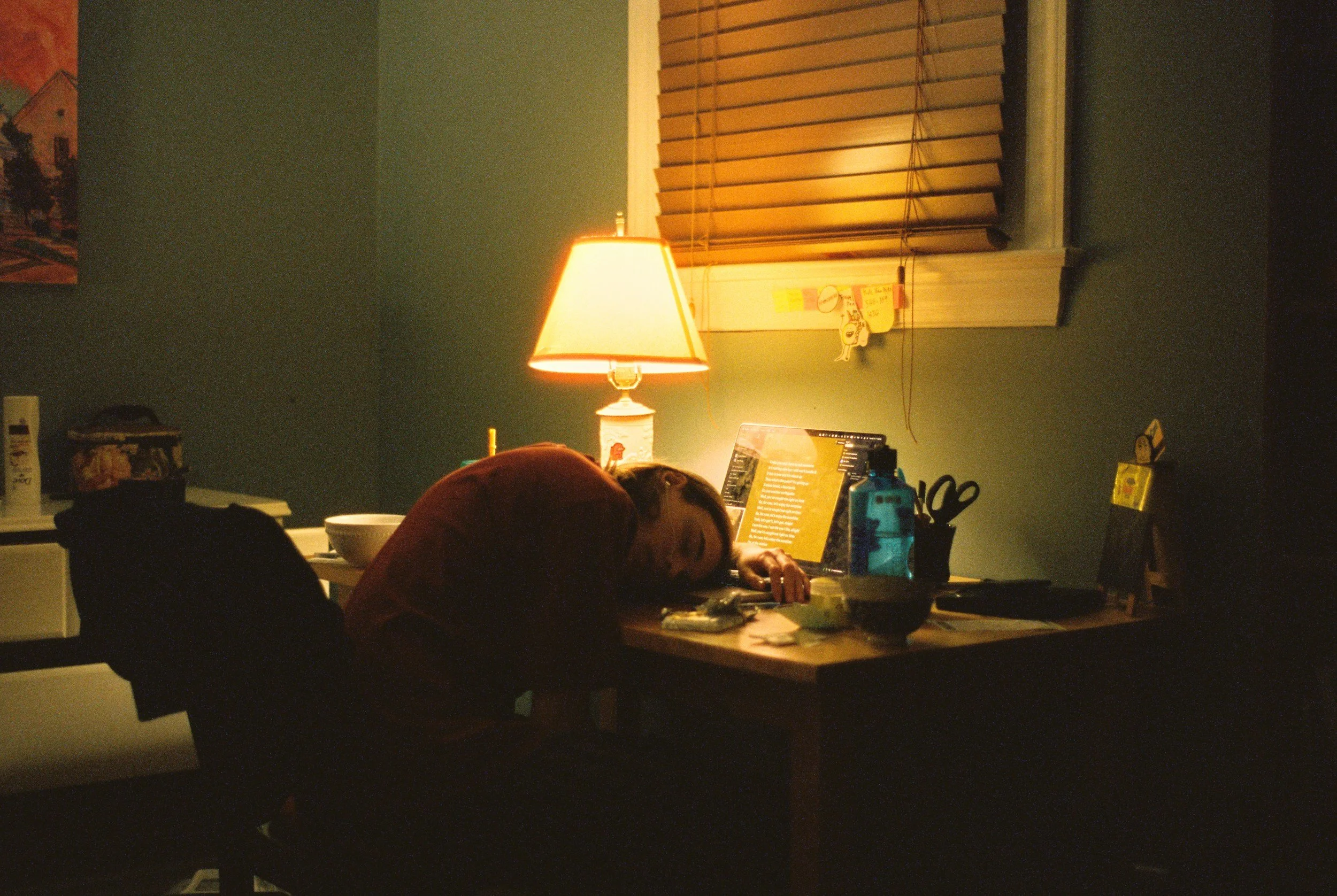
Most people think they understand burnout.
They describe it as:
exhaustion
overwhelm
doing too much
And while all of that is true…
It’s incomplete.
Because burnout isn’t just about what you’re doing.
It’s about how you’ve learned to operate under pressure.

here’s a specific kind of frustration that comes with burnout.
It’s not just that you’re tired.
It’s that you’ve actually tried to fix it.
You’ve taken time off.
You’ve slowed down.
You’ve told yourself, this weekend I’m really going to reset.

Burnout doesn’t feel like chaos at first.
It feels like over-functioning.
You’re still showing up.
Still getting things done.
Still holding everything together.
But underneath that…
There’s a quiet exhaustion that doesn’t go away.
Are you ready to tap into your inner strength and overcome what's holding you back?
If procrastination has been your hurdle, why not take a powerful step forward with our How To Master Your Subconscious Mind class? Learn mind-training techniques to replace old habits with a new, purposeful drive.
Join us and transform your journey today!
ou're perfectly capable of making decisions.
You make them all day long at work, at home and for your family. People may even come to you when they don't know what to do because you're thoughtful and usually pretty good at seeing the whole picture.
But there are certain decisions that seem to take up far more space in your head than they should.
You recommend a contractor to a friend and find yourself worrying about whether they'll do a good job. You choose the restaurant and notice whether everyone likes their meal. You make a decision at work and, when someone questions it, you mentally go back through everything you knew at the time to determine whether you should have chosen differently.