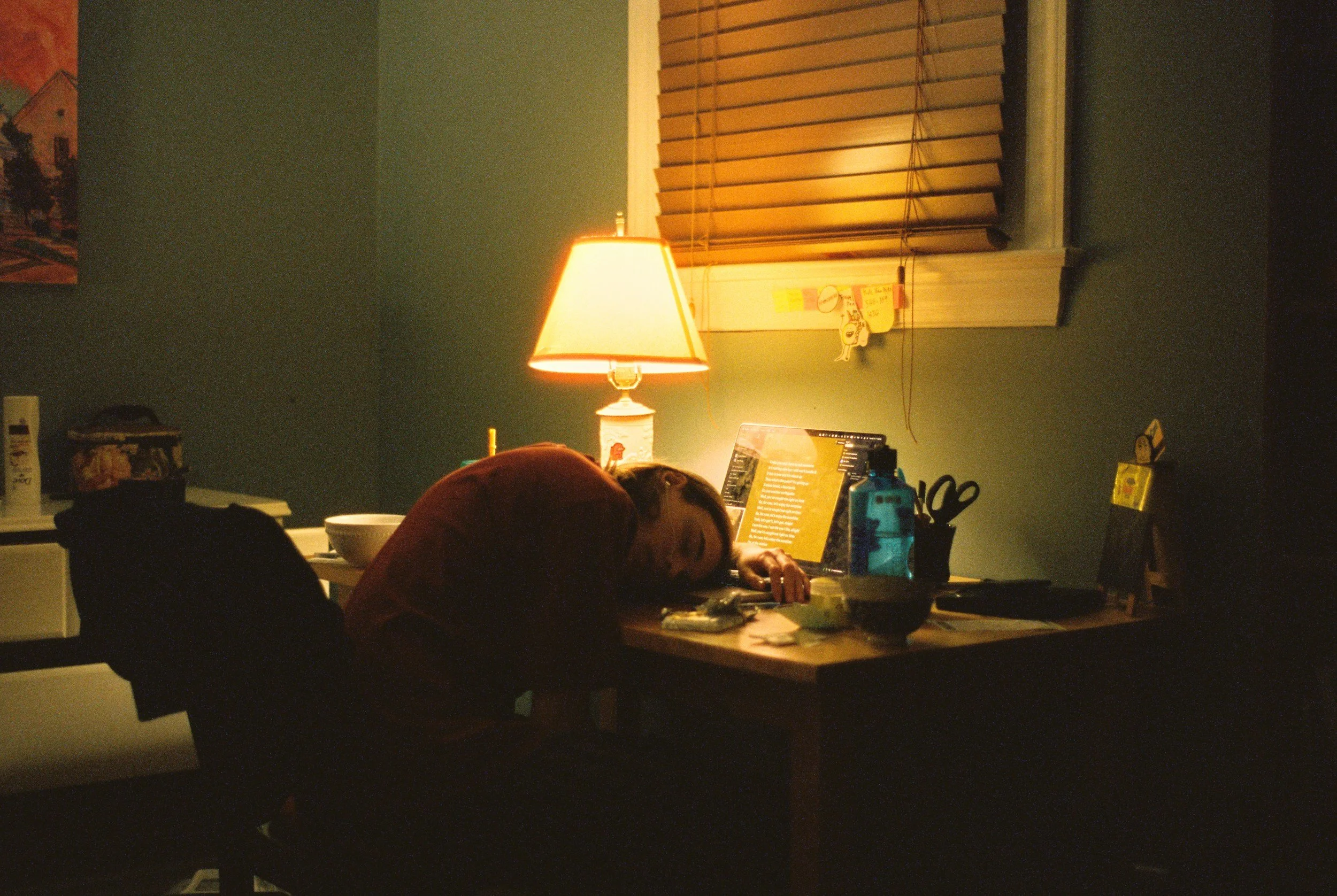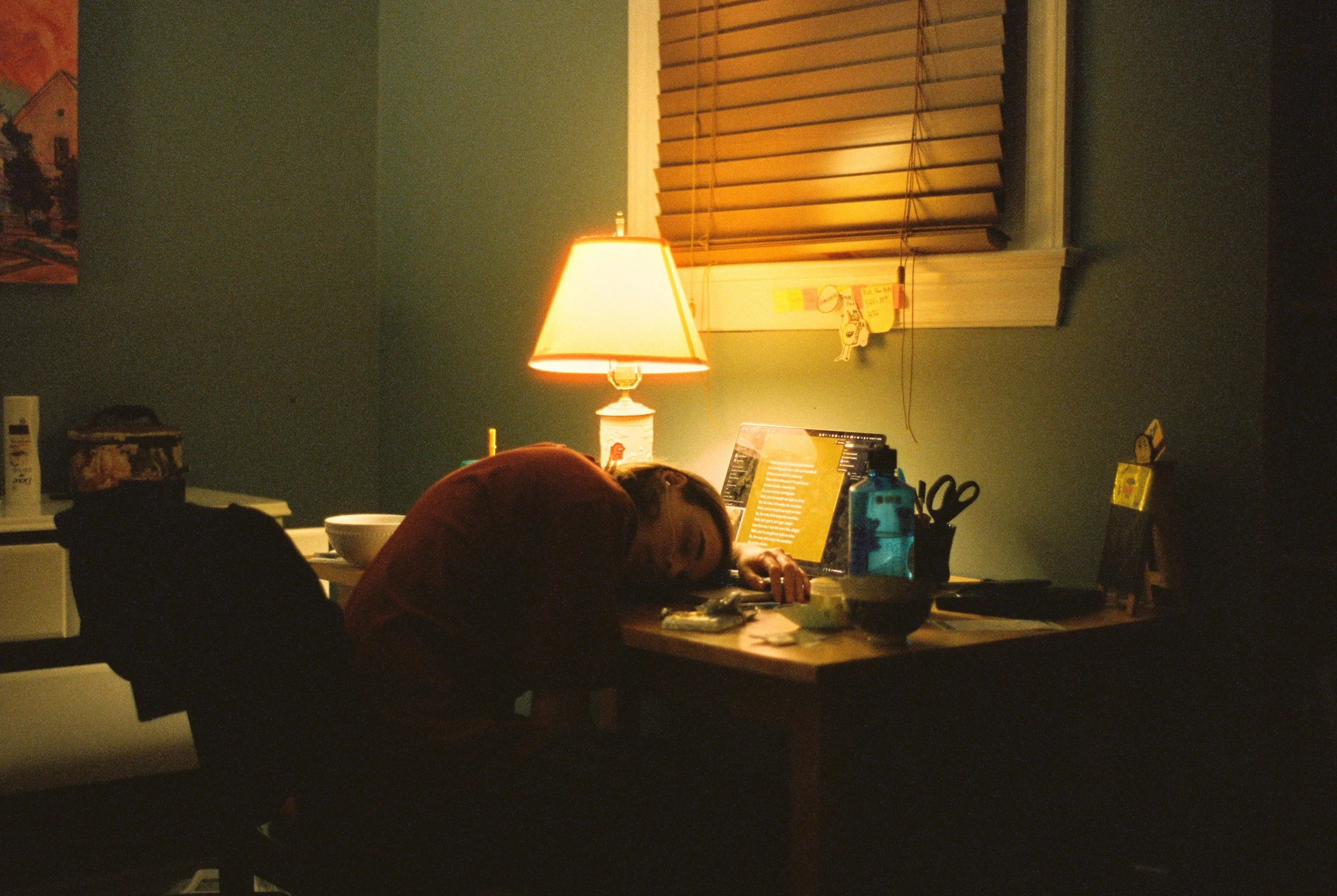
If self-care isn’t fixing your burnout, the issue may be deeper than rest. This blog explains why—and what actually changes it.
Read More
If self-care isn’t fixing your burnout, the issue may be deeper than rest. This blog explains why—and what actually changes it.
Read MoreBurnout keeps returning even after rest and boundaries. This blog explains why—and how to break the cycle at the root.
Read MoreBurnout keeps returning—even after rest and boundaries. This blog explains why awareness isn’t enough and what actually changes the pattern.
Read MoreYou don’t wake up suddenly “fixed.”
You just stop forcing yourself the same way.
Things that used to feel heavy… don’t.
Decisions feel clearer.
Your energy feels steadier.
You’re not constantly negotiating with yourself just to get through the day.
Most people think they understand burnout.
They describe it as:
exhaustion
overwhelm
doing too much
And while all of that is true…
It’s incomplete.
Because burnout isn’t just about what you’re doing.
It’s about how you’ve learned to operate under pressure.
Read Morehere’s a specific kind of frustration that comes with burnout.
It’s not just that you’re tired.
It’s that you’ve actually tried to fix it.
You’ve taken time off.
You’ve slowed down.
You’ve told yourself, this weekend I’m really going to reset.
Burnout doesn’t feel like chaos at first.
It feels like over-functioning.
You’re still showing up.
Still getting things done.
Still holding everything together.
But underneath that…
There’s a quiet exhaustion that doesn’t go away.
Read MoreBy the time most women reach out to me, they’ve already decided something about themselves.
They think they have an anger issue.
Or a control issue.
Or a sensitivity issue.
They’ve tried to manage it. They’ve promised themselves they would stay calmer next time. They’ve replayed conversations and dissected tone and timing.
Read MoreMost adult anger isn’t about what’s happening now.
It feels like it is. The conversation is current. The relationship is current. The stress is current.
But the intensity often isn’t.
When something small produces a reaction that feels disproportionate, that’s usually a clue. Not that you’re dramatic. Not that you lack control. But that something older has been activated.
Read MoreThere’s a very specific kind of frustration that only intelligent women experience.
You understand your patterns.
You know where they came from.
You can explain your attachment style.
You’ve read the books.
You’ve done therapy.
And yet when something hits the right nerve, you still react.
Read MoreThere’s a particular kind of regret that only shows up after the room has gone quiet.
You’ve said the thing. Or your tone shifted. Or you shut down harder than you meant to. And later, when you replay it, you can see clearly that it didn’t require that level of intensity. You weren’t trying to be sharp. You weren’t trying to escalate. And yet something in you reacted before you had time to choose.
Read MoreProcrastination is usually framed as avoidance.
A lack of discipline.
A motivation problem.
Something to push through or fix.
But that explanation rarely matches how procrastination actually feels.
Most women I talk to do want to move forward. They care deeply. They think about the thing they’re avoiding more than they want to admit. And still—something inside won’t move.
What if procrastination isn’t avoidance at all?
What if it’s protection?
Read MoreMany women assume motivation disappears because they’ve lost discipline.
They know what they want to do.
They even care about it.
But something inside won’t move.
What often goes unnoticed is this:
Motivation doesn’t vanish under pressure.
It withdraws.
There’s a version of growth that doesn’t look productive from the outside.
It doesn’t announce itself with momentum or visible progress.
It doesn’t move on a schedule.
It doesn’t respond well to pressure.
This kind of growth happens quietly.
Read MoreMany women are conditioned to associate health with productivity.
If you’re not moving fast, staying busy, or holding everything together, something must be wrong.
But burnout doesn’t come from laziness.
And recovery doesn’t look like snapping back.
Burnout happens when your nervous system has spent too long in survival mode—managing stress, responsibility, emotional load, and often other people’s needs.
Read MoreMany of us learned early on that being strong meant being self-sufficient. That needing support was a burden. That rest had to be earned. Over time, the nervous system adapts to this — it stays alert, responsible, braced.
Read MoreBurnout isn’t just about being busy. It’s about being chronically mobilized.
When your nervous system has spent years in go-mode—anticipating, managing, holding everything together—it forgets how to fully downshift. Even when your schedule slows, your system doesn’t recognize safety.
So rest becomes another task you fail at.
Read MoreThis time of year carries a quiet pressure.
Decide who you’ll become. Set the goals. Fix what didn’t work. Walk into January as a new version of yourself.
But real change doesn’t work that way.
It isn’t driven by goals.
It’s shaped by identity.
Your subconscious doesn’t respond to resolutions. It responds to who you believe yourself to be. And when that internal reference point hasn’t changed, even the best intentions eventually fall away.
Read MoreThis time of year brings a quiet pressure most women feel but rarely name—the sense that you should be further along, calmer, more organized, more healed, more motivated, more at peace. It shows up as a knot in your stomach, a tightness in your chest, or a whisper of “I’m behind” that echoes in the background of your days.
But here’s the truth no one teaches us:
Healing doesn’t follow a calendar. Alignment does.
There’s a moment in December when the body finally tells the truth the mind has been trying to outrun. It might show up as a heaviness in your breath, a quiet ache between your shoulders, a sudden wave of tiredness when you sit down, or a flicker of emotion that feels out of proportion to the moment.
Most women interpret this as a sign of weakness or lack of discipline.
It’s not.
It’s your nervous system asking to complete the year.